The compact SUV aisle is the most crowded corner of the market, and three nameplates sit at the front of it. The 2026 Nissan Rogue, the 2026 Honda CR-V and the 2026 Toyota RAV4 all promise the same basic things: room for five, all-weather traction and a long list of driver aids. Where they part ways is in how much you have to spend on options, how much technology comes along for the ride and how well each one handles the unglamorous parts of daily life. Put the three side by side and one of them keeps answering more questions than the others. So which compact SUV actually earns the driveway spot?
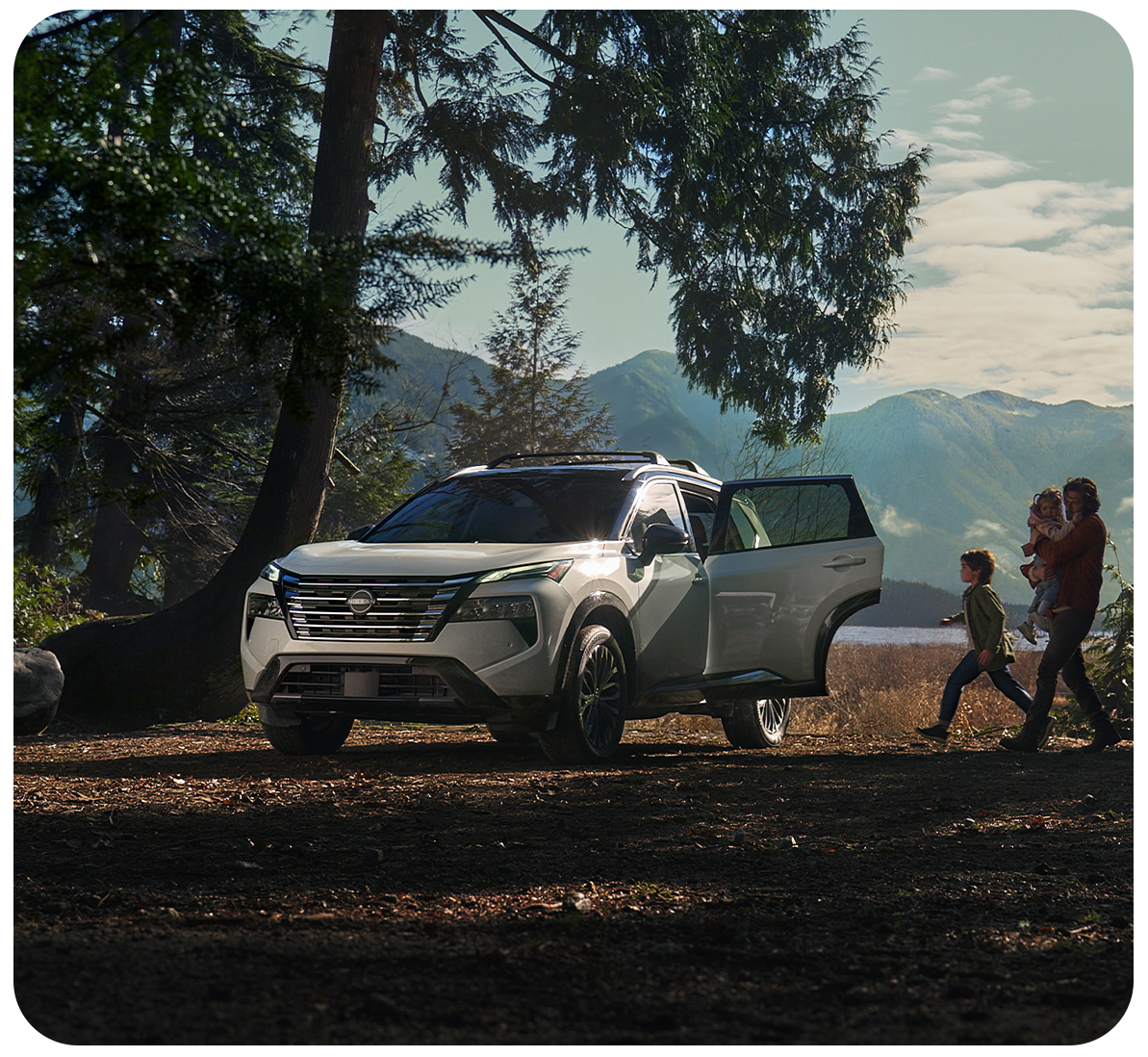
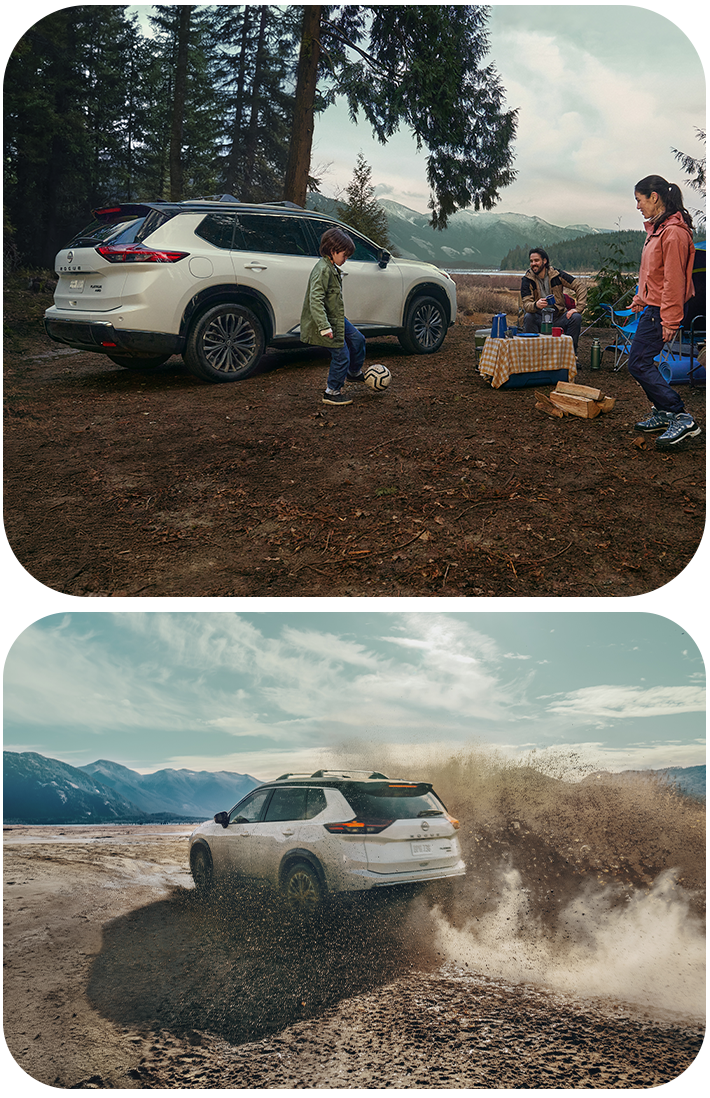
Every 2026 Rogue runs the same 1.5-liter VC-Turbo three-cylinder, a variable-compression engine rated at 201 horsepower and 225 lb-ft of torque and paired with an Xtronic CVT. That torque figure is the number worth circling. The CR-V’s turbocharged 1.5-liter makes 190 horsepower and 179 lb-ft, so the Rogue pulls away from a stoplight or up a grade with noticeably more twist underfoot, and it does it on regular fuel.
Efficiency is where the Rogue separates itself further. Front-wheel-drive models return an EPA-estimated 29 mpg city and 36 mpg highway for 32 mpg combined, the best combined figure of any non-hybrid compact SUV. All-wheel-drive versions give up little, reaching up to 31 mpg combined. The CR-V’s gas engine manages 30 mpg combined by comparison, so the Rogue asks less at the pump without asking you to step up to a hybrid battery.
Both rivals do have electrified answers. The CR-V Hybrid produces 204 combined horsepower and reaches up to 40 mpg combined, and the RAV4 goes further still: for 2026 Toyota drops gas-only models entirely, so every RAV4 is a hybrid making 226 horsepower with front-wheel drive or 236 with all-wheel drive. Those are real strengths and the RAV4 in particular is the efficiency leader of the group.
What the Rogue offers is choice at both ends. Buyers who want the simplest, least expensive path to strong mileage get it from the standard turbo, and buyers who want to plug in can move to the Rogue plug-in hybrid, which travels up to 38 miles on electricity alone with standard all-wheel drive. The CR-V has no plug-in option at all. The Rogue also matches the gas CR-V’s 1,500-pound tow rating and beats the CR-V Hybrid’s 1,000-pound limit, and its available Intelligent All-Wheel Drive shifts power between the front and rear wheels the moment traction slips. Auto, Eco and Sport drive modes come standard, and choosing all-wheel drive adds Snow and Off-Road modes to the dial.
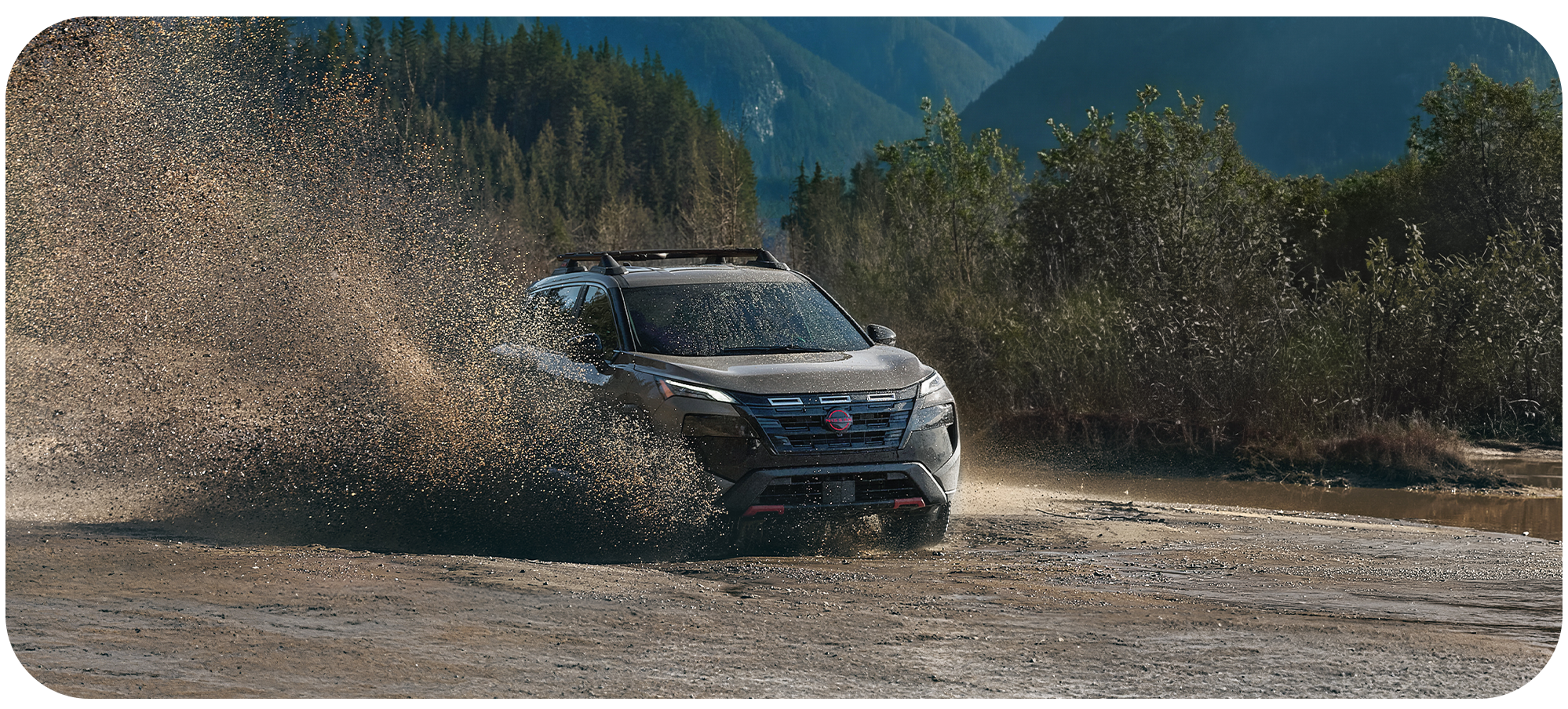
The Rogue carries 8.2 inches of ground clearance, a useful margin over the CR-V’s 7.8 inches when the driveway is buried or the back road is rutted. It also turns tighter, with a 35.4-foot turning diameter against the CR-V’s 37.3 feet, which is the kind of specification you notice every single time you park.
Inside, Nissan’s Zero Gravity front seats are shaped around spinal-support research rather than styling, and they are the reason long highway stretches wear on you less than the mileage suggests. Fold the second row and the Rogue opens up to 74.1 cubic feet of cargo room. More useful than the raw number is how the space is organized: the available Divide-N-Hide cargo system uses movable floor panels to create six configurations, so groceries stop sliding and muddy gear stays away from everything else.
Credit where it is due. The CR-V has the most generous back seat of the three, with roughly 41 inches of rear legroom, and it remains the pick if adults ride in row two every day. The RAV4’s sixth-generation redesign brings a more upright, boxier shape that leans harder into traditional SUV proportions.
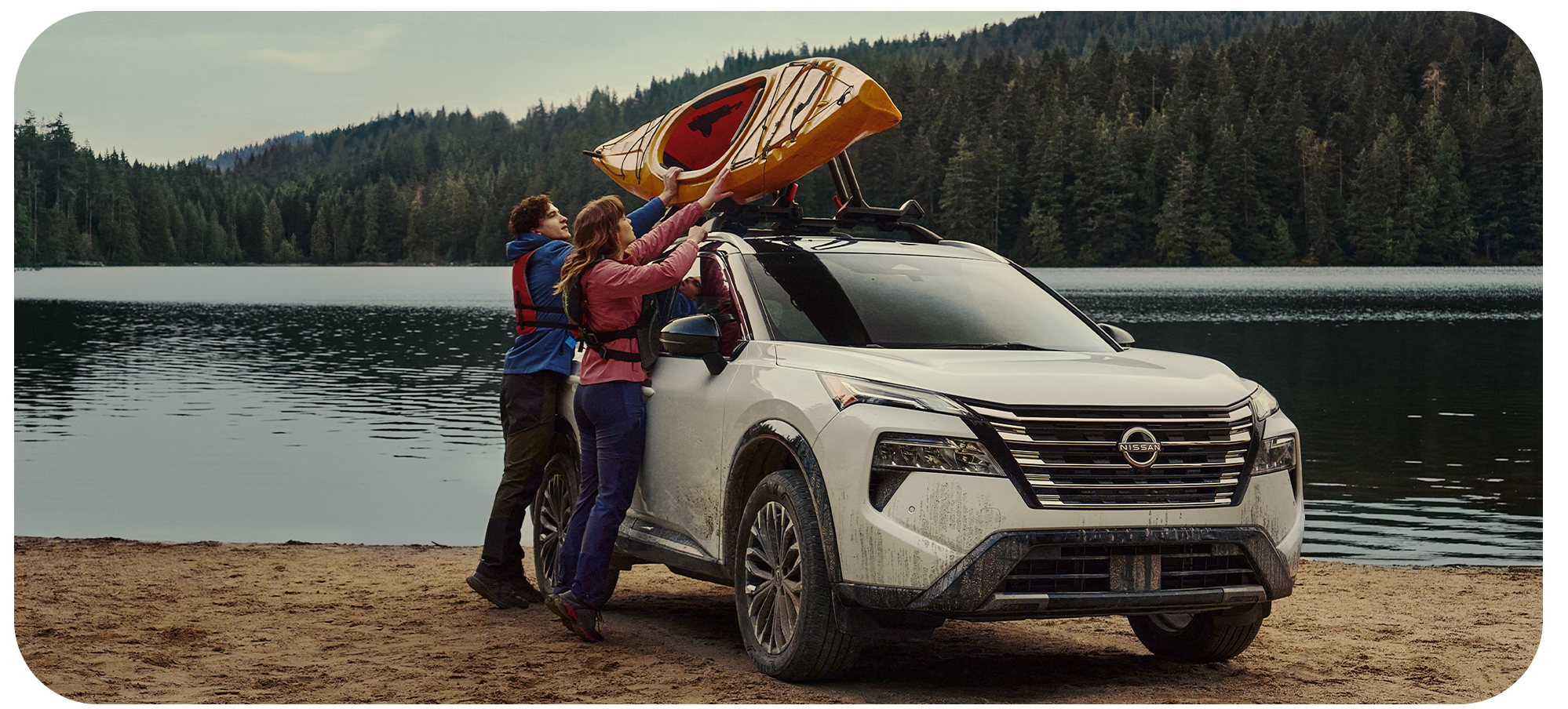
The Rogue answers with comfort equipment that punches above the badge. Available Tri-Zone Automatic Temperature Control hands the second row its own setting rather than a vent, and available heated front and rear seats, a heated steering wheel, quilted semi-aniline leather on the top grade and a Dual Panel Panoramic Moonroof round out the cabin. The lineup also stretches further than most: Rock Creek adds all-terrain tires and tubular roof rails for weekend duty, while the new Dark Armor grade layers gloss-black exterior trim over 19-inch black wheels.
Move up to the Platinum grade and the Rogue’s cabin turns into the most connected of the three. It pairs a 12.3-inch touchscreen with a 12.3-inch digital dashboard, and it is the only one of these three SUVs with Google built-in. That means Google Assistant, Google Maps and apps from Google Play run natively on the vehicle’s own hardware, so navigation, real-time traffic and real-time weather work without a phone tethered to the car. Wireless Apple CarPlay and Android Auto, a 10-speaker Bose Premium Audio System, wireless charging and an available Head-Up Display come with the territory. The RAV4 counters with a larger 12.9-inch touchscreen option, so this is a question of what the software does rather than how many inches it spans.
Standard connectivity is where the Rogue quietly wins. Every grade includes a Wi-Fi hotspot, over-the-air software updates, four USB ports and NissanConnect Services with voice recognition, so the basics do not sit behind an options sheet.
On safety, every Rogue grade arrives with a deep set of driver aids already switched on:
Nissan Safety Shield 360 is standard from the Dark Armor grade up, adding Rear Automatic Braking to the list above. ProPILOT Assist is on board across the lineup, combining Intelligent Cruise Control with Steering Assist to hold the Rogue centered and paced in traffic, and ProPILOT Emergency Stop with e-call will bring the vehicle to a halt and place an emergency call if the driver stops responding. Parking gets easier too, with the HD Intelligent Around View Monitor offering an Off-Road Mode on Rock Creek and 3D fixed views on Platinum.
Both rivals field strong systems of their own. Toyota Safety Sense 4.0 is standard on every RAV4 and the RAV4 also includes a Drive Recorder dash cam across the lineup, while the CR-V carries Honda Sensing. All three cover the fundamentals well, and the Rogue’s edge is how much arrives without stepping up a grade.
The 2026 Nissan Rogue is the winner here. It puts down more torque than the CR-V’s turbo, returns the best combined fuel economy of any non-hybrid in the class, and offers a plug-in path the CR-V does not have at all. It rides higher and turns tighter than the CR-V, organizes its cargo hold better than either rival, gives the second row its own climate zone, and is the only one of the three running Google natively in the dash. Add a Wi-Fi hotspot and a full slate of driver aids on every grade, and the Rogue asks the least of your options budget.
The RAV4 is the efficiency champion and the CR-V has the roomiest back seat, but neither packages capability, technology and everyday comfort together the way the Rogue does. Come see the difference in person. Visit Delaney Nissan of Greensburg in Greensburg, PA to explore the 2026 Rogue lineup and schedule your test drive today!